
Mariposa County Divorce Decree
The Mariposa County Superior Court maintains all divorce decree records for the county. The courthouse is at 5088 Bullion Street in Mariposa. This small county has one court location. All family law cases are filed and stored here. You can get copies of your divorce decree by visiting in person or sending a mail request. Certified copies cost $15 for divorce decrees under California law. Other certified documents are $40. Plain copies are 50 cents per page. The court phone number is (209) 966-2005. Staff can help you find your case and explain the process for getting records. Because this is a small county, the court may have shorter hours or limited staff compared to larger counties. Call ahead to confirm hours and services before making a trip.
Mariposa County Quick Facts
Court Location and Hours
Mariposa County Superior Court is at 5088 Bullion Street, Mariposa, CA 95338. This is the only courthouse in the county. All divorce records are kept here. The phone number is (209) 966-2005.
Court hours may vary. Small rural counties sometimes have limited hours or reduced staff. Call before you visit to make sure the records office is open. Ask if you need an appointment to view files or request copies.
When you call, be ready to give the case number if you have it. If not, provide both parties' names and the year of the divorce. The clerk can look up your case. They can tell you what documents are on file and how much copies will cost.
Mariposa is a rural county. The courthouse may not have all the online services that larger counties offer. In-person visits or mail requests are the main ways to get records here. The staff can guide you through the process when you contact them.
How to Request Records
You have two main options for getting divorce decree copies in Mariposa County. You can visit the courthouse in person or send a written request by mail. Both methods work well.
For in-person requests, go to 5088 Bullion Street in Mariposa during court hours. Bring photo ID. Tell the clerk what you need. Pay the fees. You may get copies the same day if your file is available and the court is not too busy.
For mail requests, write to Mariposa County Superior Court at the address above. Your letter should include case number or both parties' names, the date of divorce or filing, what type of copy you need, and your contact information. Enclose payment and a self-addressed stamped envelope. The court will process your request and mail the copies to you.
Processing time varies. Small counties may process requests faster because they have fewer cases. But they also have fewer staff. Ask the clerk for an estimate when you submit your request.
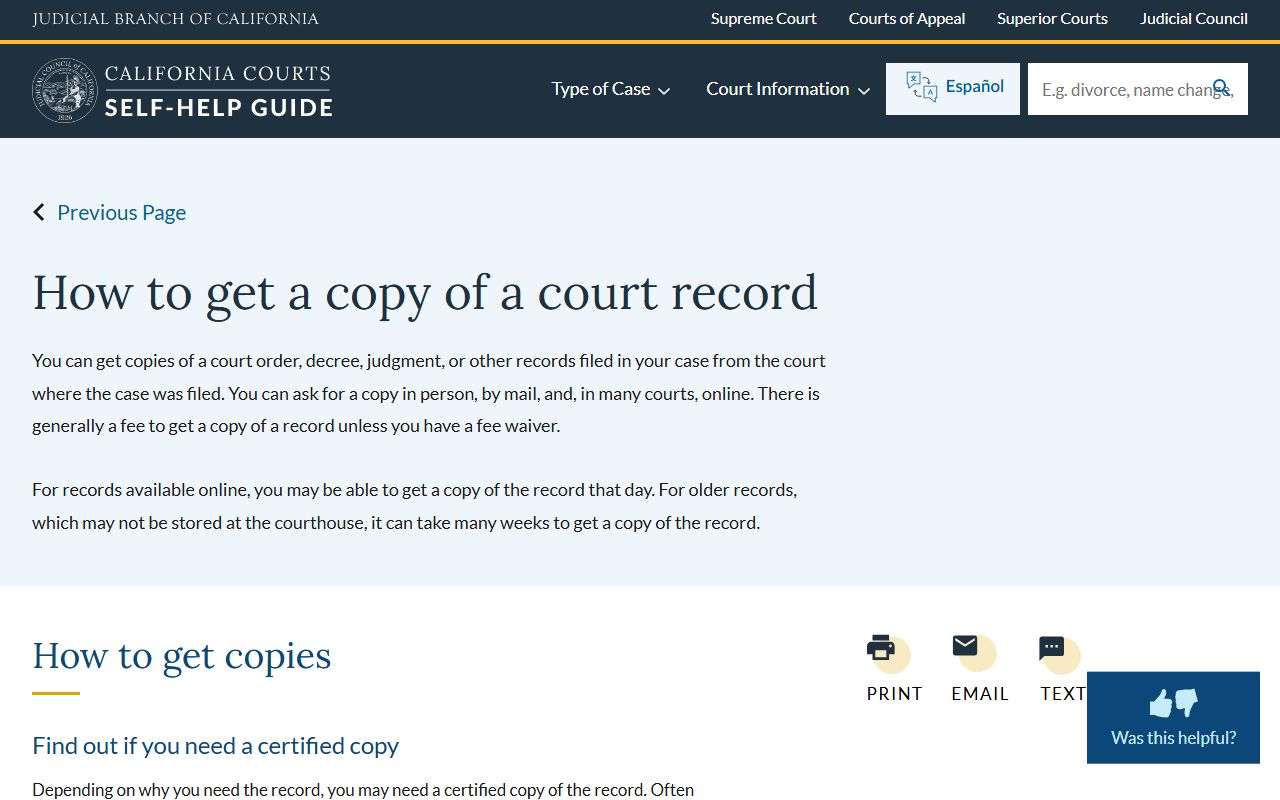
According to selfhelp.courts.ca.gov, you can request court records in person, by mail, and sometimes online. Mariposa County focuses on in-person and mail requests due to its size and resources.
Fees and Payment
Mariposa County follows California's statewide fee schedule for court records. A certified copy of a divorce decree is $15. This fee is set by California Government Code Section 70674. It covers the certification and the document itself.
Plain copies cost 50 cents per page. If you need multiple pages copied, the cost adds up. For example, a 10-page document costs $5 in plain copies. Certifying other documents like court orders or agreements costs $40 per document plus the per-page copy fee.
If the court must search for your case because you do not have a case number, they may charge a search fee. California law allows up to $15 for searches over 10 minutes. Check with the clerk to see if this applies.
Payment can be made by cash, check, or money order. For mail requests, send a check or money order payable to Mariposa County Superior Court. Never send cash by mail. The clerk can give you a total cost estimate before you pay if you want to confirm the exact amount.
What a Divorce Decree Contains
A divorce decree is the final court order ending your marriage. It includes the names of both spouses. It states the date the divorce became final. It may list decisions about property, debt, custody, and support. Not every decree has all these items. It depends on what was decided in your case.
Some divorces are simple. The decree may be just one or two pages. Other cases are complex. The decree could be many pages long with detailed terms. You can ask the clerk how many pages your decree is before you order copies.
You can also request other documents from your case file. Settlement agreements show what you and your spouse agreed to. Court orders cover specific issues like support or custody. Each document can be copied separately. Fees apply to each document you request.
Privacy and Confidentiality
Divorce records are public in California, but some information is protected. Social security numbers, addresses of protected parties, and details about children may be redacted or sealed. The court provides copies with these protections in place.
If you were a party to the divorce, you get full access to your case file. If you are requesting someone else's records, some information may be restricted. The clerk can explain what is available based on your relationship to the case.
California Rules of Court limit remote online access to family law records. This protects privacy. You can view records at the courthouse but not from home over the internet. This rule applies statewide including Mariposa County.
Online Access Limitations
Mariposa County may have limited online services for court records. Small counties often do not have the budget for extensive online systems. Basic case information might be searchable online. Full documents usually require an in-person visit or mail request.
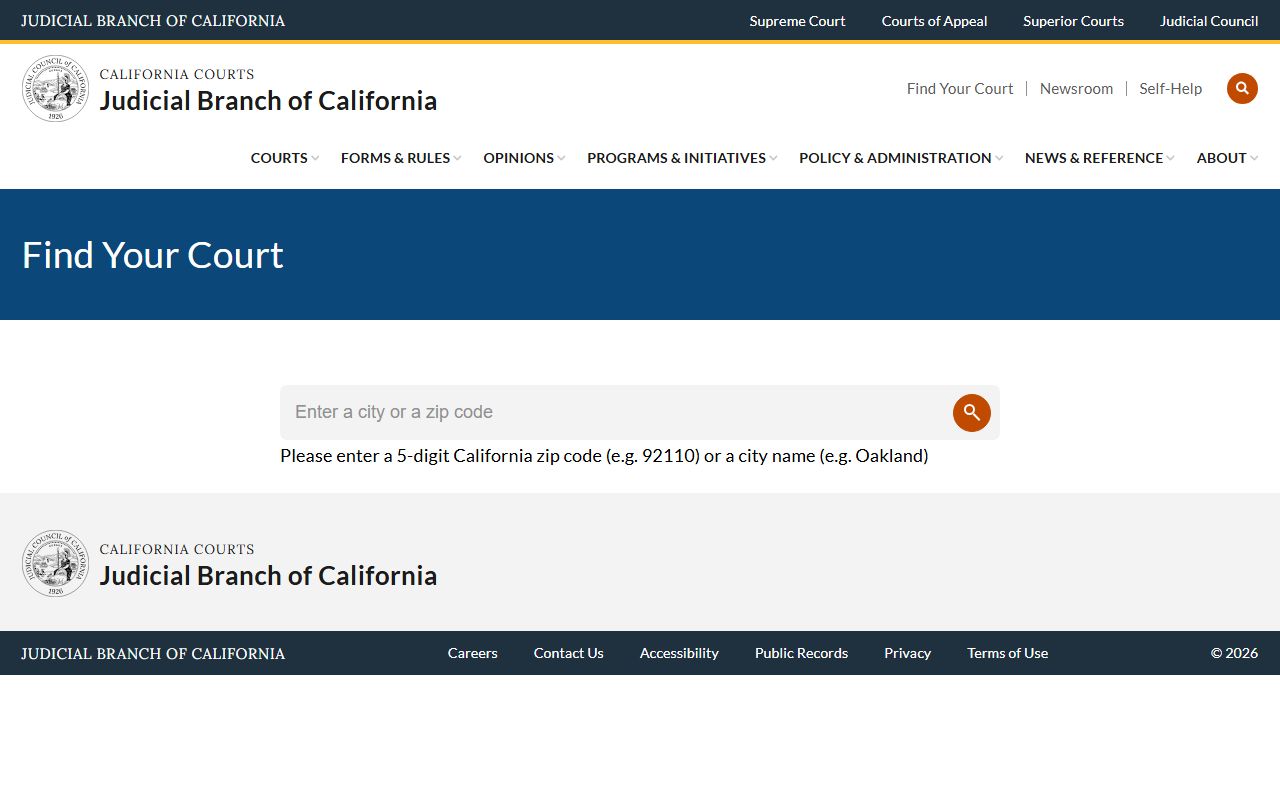
Check the California Courts website for links to Mariposa County Superior Court. The court may have a website with contact information and basic services. Call the court to ask what is available online for your specific case.
If online options are limited, traditional methods still work well. Phone calls, in-person visits, and mail requests are reliable. Small counties often provide good personal service even if technology is limited.
Legal Help and Resources
Mariposa County residents can access legal help through several sources. The Superior Court may offer self-help services. Call (209) 966-2005 to ask about available assistance. Self-help centers provide free help with forms and procedures. They cannot give legal advice but they can help you navigate the court system.
Legal aid organizations serve low-income Californians. Central California Legal Services may cover Mariposa County. They help with family law cases if you meet income requirements. Contact them to see if you qualify for free or low-cost legal help.
The California Courts self-help website at selfhelp.courts.ca.gov has forms and guides. You can learn about divorce procedures. You can download forms for free. This site helps people represent themselves in court.
Private family law attorneys practice in nearby areas. The State Bar of California runs a lawyer referral service. You can find an attorney who handles cases in Mariposa County. Initial consultations may cost a fee. Ask about pricing when you call.
Note: Legal aid resources in rural counties may be limited, so reach out early if you need assistance.
Nearby Counties
Mariposa County is near several other California counties. Each has its own court system for family law cases.